The Man Who Wept for the Sins of Others
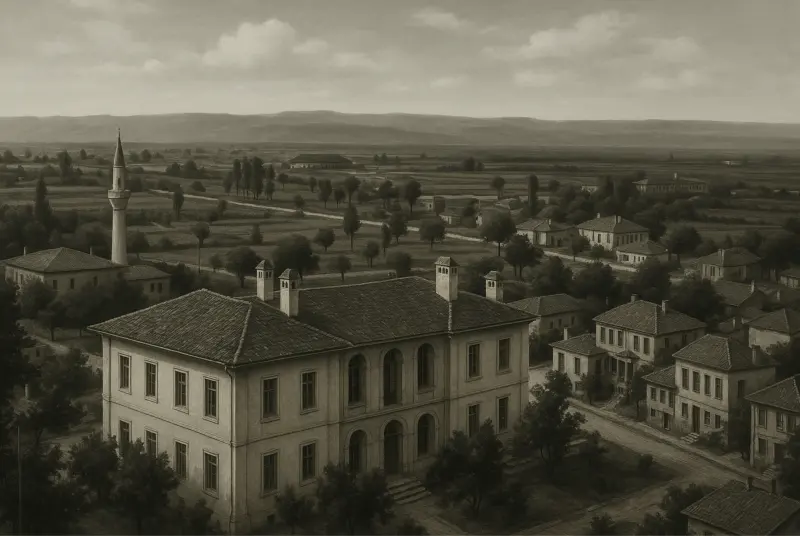
Bediuzzaman relates:
“One day, while I was sitting by the window of the prison in Eskişehir during the Republic Day celebrations, I saw a group of girls joyfully dancing in the garden of a secondary school across the street. Suddenly, it was as though I witnessed a vision—a spiritual film carrying me fifty years into the future. I saw that of those fifty or sixty girls, forty or fifty had already entered their graves, reduced to dust and suffering the consequences of their deeds. The remaining ten were now seventy or eighty years old. Having lost the beauty of their youth, they were no longer admired by the very people whose attention they had once sought, because they had not preserved their modesty. I saw this so vividly that I wept over their sorrowful fate.
Some of my fellow prisoners heard me weeping and asked what was wrong. I replied, ‘Please leave me alone for a while.’
What I saw was not a dream but a reality. Just as summer and autumn inevitably give way to winter, so too are the summer of youth and the autumn of old age inevitably followed by the winter of the grave and the Hereafter. Imagine that there were a film capable of showing people today exactly what they will be like fifty years from now. If those who are now immersed in heedlessness, dissipation, and deceptive pleasures could see their future selves, they would weep in grief and horror over the joys and forbidden pleasures in which they now indulge.”
Bediuzzaman possessed an exceptionally profound compassion—so profound that he wept over the sins of others and over the suffering and punishment that awaited them. What he felt for them should give us pause for reflection. While he wept over the sins of others, we are often so entangled in heedlessness that we cannot even weep over our own faults and sins. His insight invites us to reflect on our own lives, on what we are doing now, and on how our present choices will shape our inevitable destiny.